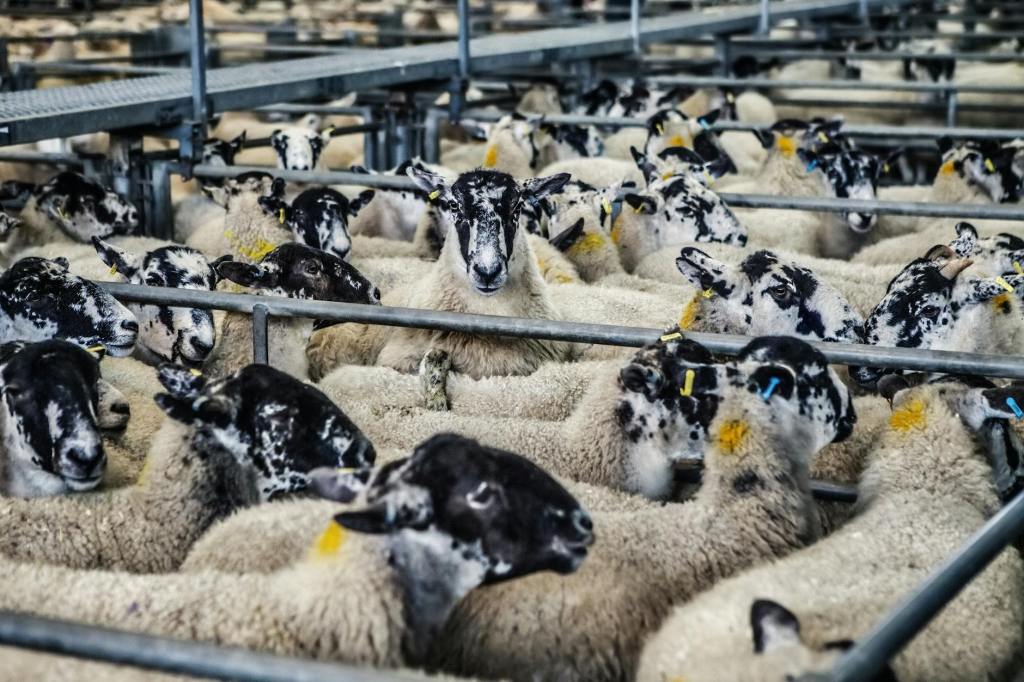
Buying livestock and bringing them onto your property is an exciting time. Whether it is 2 chickens for your backyard, a new horse, or 100 feeder steers, you need to have an induction system in place before setting them loose.
Pre-arrival: in some cases you can request an animal health statement from the seller. This will ensure the animal has been vaccinated for important diseases and is in good health. This is important when buying breeding males. If they have a disease or are persistently infected with something, they can transfer it to your females. Be careful if you are buying stock from an area free of ticks. If you are in a tick prone area like the South Coast, and some Southern Highland areas, the new animals will not be tick resistant.
Arrival: I like to let the animals calm down. In some cases like un-weaned animals, or stock that has traveled a long way, they will be tired and stressed. I like to start the induction the day following their arrival.
Bring each animal through your sorting yards/area to asses and treat them. Keep as quiet and calm as possible- these animals don’t know you! Have a good look over them first. Was something missed at the sale, or did they get injured during transit? Rate them for muscle and fat condition. Don’t get too caught up in this if you are not an expert. A basic system that works for you will be fine. Do any of the animals need to be put on a supplementary feed program? Some deal with stress better than others. Some may have lost a lot of weight. Note anything that needs attention. Feel free to contact me if you need help setting up an induction spreadsheet.
Record: Note down their tag number, brand, and scan them if you need this information. Re tag the animal if you need to for your own system. If you buy steers or wethers, check they have been castrated properly. I have bought a load of steers before. I found a bull amongst them. Don’t assume this has been checked if you have not looked at the animals yourself before purchasing. For a small hobby farm a cheap tag scanner is a good investment. If the animal loses its management tag, you will still have the NLIS tag to identify it. This is handy if multiple animals lose their tag. Your agent should be able to scan them also if you don’t want to buy a scanner.
Treat the animal: The main treatments you need to administer are a worm drench, a fluke treatment, and a vaccination against the main clostridial diseases in cattle and sheep. There are many options available at your local rural supply store. If you don’t feel confident in administering these treatments, your agent might be able to assist. Sometimes they can do this before the animals leave the sale. Alternatively you can talk to your neighbours. Reach out to people you know in the industry. They can possibly do it for you. Alternatively, they might know someone who can. I am always happy to help my neighbours and contacts who are new to livestock, or not comfortable with needles.
If the stock look very poor, a vitamin injection is a good idea. Products like Multi-min or vitamins A,D and E will help the animal improve. Again, if you don’t like needles, a vitamin lick is a good alternative. Just put it out where the stock will be drinking and grazing.
A foot bath may also be a good idea, especially with sheep. Consider this if the stock have been standing in wet conditions for a long time.
Post treatment: I like to put the animals in a quarantine paddock for at least a week. This will give them a chance to empty out any parasites before you move them to your main paddocks. A second vaccination will be needed usually 4-6 weeks later if you are vaccinating them. A good idea post drenching is to get a worm check done. The animals may have a worm resistance to your worm treatment. This can be done by Local Land Services, Virbac animal health, or your vet. Sometimes you can get samples yourself. You can send them to Local Land Services or some rural supply stores offer a testing service.
The animals should now be ready to let out into your system. Keep an eye on them during their quarantine period for any underlying problems you may have missed. If your stock are going onto a ration feed, remember to introduce it slowly and carefully. Going too hard with grain and ration feeds can cause major problems and even death. I will explore this subject in the future.
If you are in the Southern Highlands and need assistance with scanning, tagging, or health treatments, please contact me.
 Southern Highlands Farm Life
Leave a comment